Discover Relaxation: Massage Techniques for Urban Lifestyles
- carlosworld0903198
- Jun 10
- 4 min read
In the hustle and bustle of urban life, stress can accumulate quickly, leaving us feeling overwhelmed and fatigued. The constant demands of work, social obligations, and daily responsibilities can take a toll on our physical and mental well-being. One effective way to combat this stress is through massage therapy. This blog post will explore various massage techniques that are particularly beneficial for those living in urban environments, helping you discover relaxation amidst the chaos.
Understanding the Benefits of Massage
Before diving into specific techniques, it's essential to understand why massage is beneficial, especially for urban dwellers. Here are some key benefits:
Reduces Stress: Regular massage can lower cortisol levels, the hormone associated with stress, promoting a sense of calm.
Improves Circulation: Massage enhances blood flow, which can help alleviate muscle tension and improve overall health.
Relieves Muscle Pain: Whether from sitting at a desk all day or engaging in physical activities, massage can target specific areas of discomfort.
Enhances Sleep Quality: By promoting relaxation, massage can lead to better sleep patterns, which is crucial for busy city residents.
Boosts Mental Clarity: A relaxed mind is more focused and productive, making massage a great tool for enhancing cognitive function.
Techniques to Try at Home
For those who may not have the time or resources to visit a professional massage therapist regularly, there are several techniques you can practice at home. Here are a few effective methods:
1. Self-Massage
Self-massage is a convenient way to relieve tension without needing a partner. Here’s how to do it:
Neck and Shoulders: Use your fingers to knead the muscles at the base of your skull and along your shoulders. Apply firm pressure and make circular motions.
Forearms: Roll your forearms on a firm surface, like a table, to relieve tension from typing or using your phone.
Feet: Use a tennis ball to roll under your feet, focusing on the arches and heels to alleviate discomfort from standing or walking.
2. Foam Rolling
Foam rolling is a popular technique that helps release muscle tightness and improve flexibility. Here’s how to incorporate it into your routine:
Back: Lie on your back with a foam roller positioned under your shoulder blades. Roll gently up and down to release tension.
Thighs: Sit on the floor with the foam roller under your thighs. Roll back and forth to target tight quadriceps and hamstrings.
Calves: Position the roller under your calves and use your body weight to apply pressure, rolling slowly to relieve soreness.
3. Partner Massage
If you have a partner or friend willing to help, partner massage can be a great way to relax together. Here are some techniques to try:
Back Rub: One person can knead the other’s back using their palms, applying pressure along the spine and shoulders.
Foot Massage: Use thumbs to apply pressure to the soles of the feet, focusing on the arches and heels.
Head Massage: Gently rub the scalp using fingertips, applying light pressure to relieve tension.
Professional Massage Techniques
While self-care is essential, sometimes a professional touch is needed. Here are some popular massage techniques offered by therapists that can be particularly beneficial for urban lifestyles:
1. Swedish Massage
Swedish massage is one of the most common types of massage therapy. It uses long, flowing strokes to promote relaxation and improve circulation. This technique is ideal for those looking to unwind after a long week.
2. Deep Tissue Massage
Deep tissue massage focuses on the deeper layers of muscle and connective tissue. It’s particularly effective for chronic pain and tension, making it a great option for those who experience discomfort from sitting for long periods.
3. Shiatsu Massage
Shiatsu is a Japanese technique that uses finger pressure on specific points along the body’s energy pathways. This method can help restore balance and promote relaxation, making it perfect for busy urbanites looking to recharge.
4. Hot Stone Massage
In a hot stone massage, smooth, heated stones are placed on specific points of the body. The warmth helps to relax muscles and improve circulation, providing a soothing experience that can melt away stress.
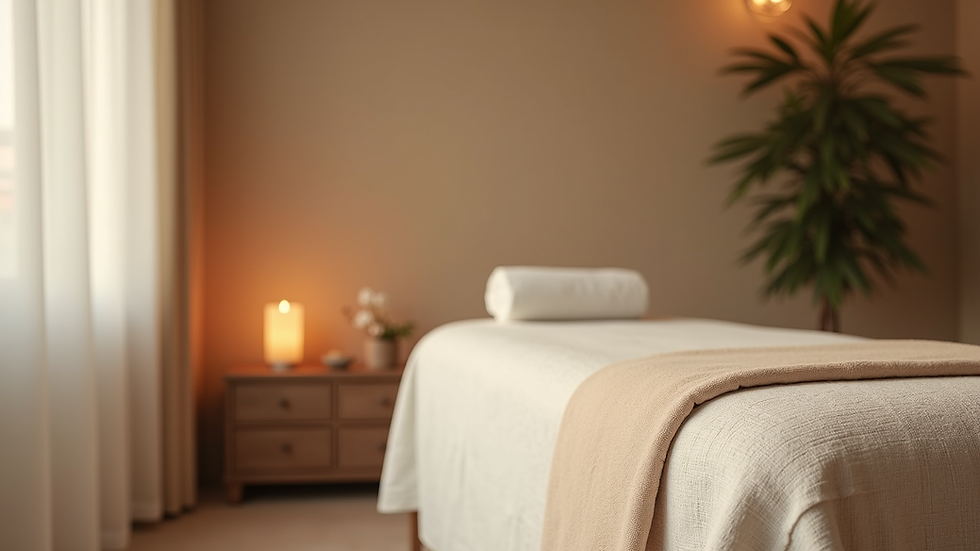
Creating a Relaxation Space at Home
To enhance your massage experience, consider creating a dedicated relaxation space in your home. Here are some tips to set up your sanctuary:
Choose a Quiet Location: Find a space away from noise and distractions, such as a corner of your bedroom or living room.
Use Soft Lighting: Dim the lights or use candles to create a calming atmosphere.
Incorporate Aromatherapy: Use essential oils like lavender or eucalyptus in a diffuser to promote relaxation.
Add Comfortable Seating: Invest in a comfortable chair or mat where you can sit or lie down during your massage sessions.
Incorporating Massage into Your Routine
To reap the full benefits of massage, it’s essential to incorporate it into your regular routine. Here are some practical tips:
Schedule Regular Sessions: Aim for at least one professional massage per month, or more frequently if your budget allows.
Practice Self-Massage Weekly: Set aside time each week for self-massage or foam rolling to maintain muscle health.
Combine with Other Relaxation Techniques: Pair massage with yoga, meditation, or deep breathing exercises for a holistic approach to stress relief.
Conclusion
In the fast-paced urban lifestyle, finding time to relax and recharge is crucial for maintaining overall well-being. By incorporating various massage techniques into your routine, whether through self-care or professional sessions, you can significantly reduce stress and enhance your quality of life. Remember, relaxation is not a luxury; it’s a necessity. Make it a priority, and you’ll find yourself better equipped to handle the challenges of city living.
Take the first step towards relaxation today by trying one of the techniques discussed in this post. Your body and mind will thank you!


Comments